Table Of Content
- List of ships attacked by Somali pirates
- What Else Should I Know About Cruise Ship Pirate Attacks?
- Cruisers are getting younger as Gen Z and Millennials take to the seas
- Carnival Cracks Down on High Stakes Activity on Pool Deck
- Alec Baldwin's Clash With 'Free Palestine' Protester Viewed 3M Times
- P&O Cruises increases the price of their drinks package offerings
- Spectrum Of The Seas Takes Precautions

The women asked him if the bands of marauding pirates posed a problem for the cruise. After all, the ship was far -- 1,000 sea miles -- away from the Somali coast as it made its course across the Indian Ocean, a few hundred miles south of the Seychelles, on a 22-day cruise from Durban, South Africa, to Genoa, Italy. It was unimaginable, virtually impossible even, that flip-flop wearing pirates could attack them here. To ensure the effectiveness of onboard surveillance systems, regular maintenance, testing, and upgrades are essential.
List of ships attacked by Somali pirates
Advanced camera systems equipped with motion sensors and night vision capabilities are strategically positioned throughout the ship to provide comprehensive coverage. These systems allow for real-time monitoring and recording of any suspicious activity, enabling security personnel to respond quickly and effectively. One such case study took place in the Gulf of Aden, a piracy hotspot off the coast of Somalia.
What Else Should I Know About Cruise Ship Pirate Attacks?
Furthermore, cruise ships maintain constant communication with relevant authorities, such as naval forces and coast guards in the area. This collaboration enables real-time exchange of information and intelligence regarding potential pirate activities. By staying in close contact with external security forces, cruise ships can receive updates on the current security situation in the region and adjust their routes and onboard security measures accordingly. By investing in well-trained security personnel and providing them with the necessary tools and knowledge, cruise lines demonstrate their dedication to the safety and security of their guests. The next section will explore the onboard surveillance systems employed by cruise ships to enhance security measures. Onboard surveillance systems play a crucial role in detecting and monitoring potential pirate activity.
Cruisers are getting younger as Gen Z and Millennials take to the seas
Cruise lines invest in routine equipment checks, software updates, and training for security personnel to stay up to date with the latest advancements in surveillance technology. Modern cruise ships are equipped with a network of surveillance cameras strategically positioned throughout the ship. These cameras are equipped with high-resolution capabilities, allowing for clear and detailed monitoring of various areas, including public spaces, hallways, entrances, and decks.
Passengers on Royal Caribbean’s Mariner of the Seas have received a letter from the captain warning them of the possibility of a pirate attack as the cruise ship sails through the Gulf of Aden. Cruise Hive was established back in 2008 and among the earliest blogs in the industry. Since the start, it's been our aim to provide the latest cruise news covering all the major cruise lines.
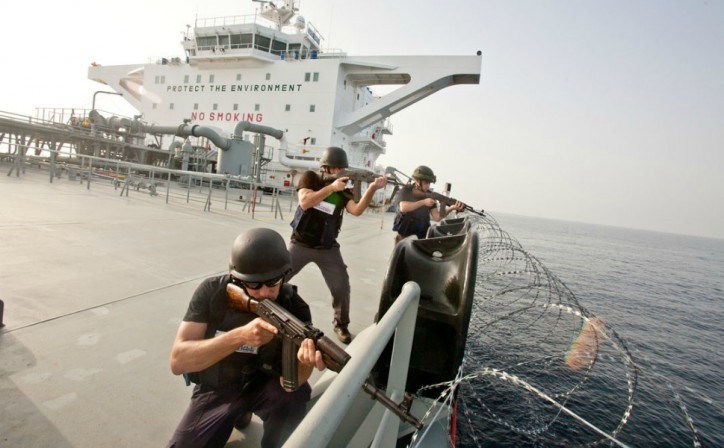
These measures are designed to deter and impede pirates from boarding the vessel, giving the ship and its security personnel valuable time to respond effectively. Collaboration with maritime security forces also extends to ensuring a coordinated response in the event of a potential pirate attack. Cruise ships have established communication protocols and procedures to quickly alert and request assistance from relevant authorities. This ensures a rapid response that maximizes the chances of thwarting an attack and ensuring the safety of passengers and crew members. These case studies demonstrate the effectiveness of proactive security measures, including timely communication, surveillance systems, and collaboration with maritime security forces.
Pinto radioed an alarm code to his crew and ordered all passengers to go below deck, immediately. He then called on the helmsman to steer the ship on a zig-zag course to fend off the pirates by creating large waves. The security guards, who by then had arrived at the ship's stern, fired two warning shots into the air. She added that armed security officers had been brought on board to offer further protection should the need arise. Before venturing into the waters off Somalia — a known hot-spot for pirate-related activity — passengers on board the Sun Princess underwent exercises designed to help them be prepared should the unthinkable happen. Developed by the Security Alliance for Effective Solutions, the Nemesis 5000 represents a significant advancement in maritime security technology.
Live feeds from the surveillance cameras are continually monitored by security personnel who are trained to analyze and identify potential security risks. They are responsible for keeping a vigilant eye on the screens, looking for any indications of suspicious behavior or unauthorized access. Through real-time monitoring, security personnel can quickly assess the situation and take appropriate action. Moreover, security personnel are trained to interact with passengers in a professional and reassuring manner, ensuring that they feel secure throughout their journey.
Spectrum Of The Seas Takes Precautions
The pirates are operating in an ever greater area -- a trend that has grown further with the MSC Melody incident. By studying and learning from these successful incident avoidance case studies, cruise lines can further refine their security strategies and ensure that they stay ahead of evolving piracy tactics. The ongoing commitment to the safety of their passengers and crew members remains a top priority for the cruise industry. Cruise ships are designed with reinforced structures and features that make it difficult for pirates to gain access to the ship. Reinforced windows, doors, and barriers are common deterrents, as are increased fencing and razor wire surrounding ship perimeters.
And on Nov. 8, a cargo vessel escaped a pirate attack 390 nm off Somalia, according to Mukundan. He says journalists have told him that a Somalian who claimed to be the head of the pirates bragged about the attack by phone on Saturday. "The pirates appear to feel downright incited by the war ships and the efforts being made against them," Vago says. Furthermore, some cruise ships have increased the height of their barriers and implemented anti-boarding measures, such as netting or spikes, to prevent pirates from using grappling hooks or ladders to climb aboard. These physical modifications make it more challenging for pirates to gain a foothold on the ship and discourage their attempts.
Passenger: Sea Princess has nightly curfew amid waters known for pirates - USA TODAY
Passenger: Sea Princess has nightly curfew amid waters known for pirates.
Posted: Thu, 10 Aug 2017 07:00:00 GMT [source]
Gathering intelligence on recent pirate attacks or suspicious activity aids in the preparation and implementation of effective preventive measures. By investing in security personnel, specialized training, and advanced technologies, cruise ships aim to create a safe and secure environment for travelers to enjoy their vacation. Through collaboration with maritime security forces and the implementation of communication protocols, cruise ships are able to respond swiftly and effectively in the event of a potential pirate threat. Case studies of successful incident avoidance highlight the effectiveness of these security measures and the importance of proactive strategies.
However, it is essential to highlight that no measure is foolproof, and ongoing vigilance and adaptability are critical to maintaining the safety of passengers and crew members on a cruise ship. Pirate activity remains a concern in maritime regions worldwide, and cruise ships navigate through some of the known hotspots. Understanding these regions and the specific threats they pose allows cruise lines to plan routes and implement appropriate security measures.
Pedersen turned the vessel out to sea, sped up and took evasive action, with the two pirate boats in pursuit, according to Good. Cruise Radio prioritizes well-balanced cruise news coverage and accurate reporting, paired with ship reviews and tips. The 10,000-ton cruise ship, registered in the Bahamas, sustained minor damage, Good said.
And Vago says he believes that accomplices back on the mainland were trying to provide the pirates at sea with assistance. "It was only through the exemplary work of his crew and he himself that the ship was able to fend off the pirates," cruise passenger Rolf R. “On the announcement of the code word Safe Haven over the [ship’s loudspeakers],” she explains, “passengers are instructed to move away from the windows and outside areas of the cruise ship to head towards the middle of the ship. A video recording of an announcement on the Queen Mary 2 ocean liner explaining the protocol in the event of a pirate attack as the ship sails through the Suez Canal has gone viral, garnering over 4 million views.
Most of them have had serious defense training, and usually some of that comes from military experience. Often, they're sourced from the Philippines, Nepal, Israel and South Africa, and they are already well trained before they even step onboard. There are four issues per year, with each issue is packed full of must-read features, including cruise news, reviews, destination guides and the most enticing itineraries.
Cruise lines are at the forefront of employing cutting-edge technologies to deter pirate attacks and ensure the safety of passengers and crew during voyages through high-risk areas. These innovative solutions encompass a range of sophisticated equipment and strategic measures designed to repel potential threats effectively. Additionally, security personnel undergo regular drills and exercises to sharpen their abilities in dealing with potential pirate attacks. These exercises simulate various scenarios, allowing security teams to practice their response protocols and coordination with other onboard departments, such as the bridge team and the crew responsible for emergency procedures. While these are some of the more notable piracy hotspots, it is important to note that pirate activity can occur in other maritime regions as well. The Straits of Malacca and Singapore, the South China Sea, the Red Sea, and the Caribbean Sea have also experienced instances of piracy, albeit to a lesser extent.


